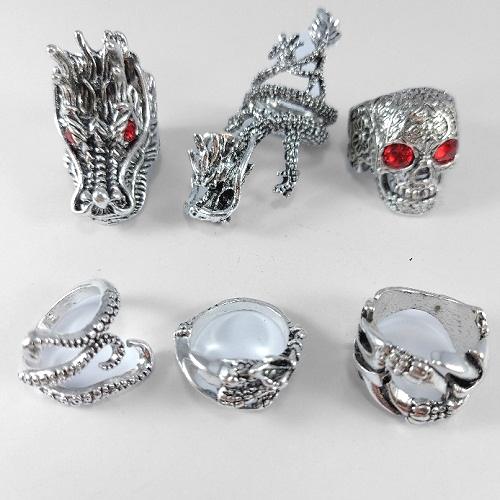
The dragon is one of the most powerful and versatile symbols found across cultures and time periods. Its symbolism varies widely depending on cultural context, but it often represents power, chaos, wisdom, protection, or transformation. Here’s a breakdown by culture and theme:
🌏 Eastern Symbolism (China, Japan, Korea)
- Positive Symbol
- Wisdom and Knowledge – Dragons are often ancient, intelligent, and wise.
- Power and Strength – Especially imperial power; Chinese emperors were considered descendants of dragons.
- Good Fortune and Prosperity – Associated with rain, harvest, and life-giving energy.
- Balance and Harmony – Often linked with the element of water and natural cycles.
- Spirituality – In Taoism, the dragon represents the yang energy (active, light, male).
Notable Traits: Serpentine, wingless, benevolent, divine.
🏰 Western Symbolism (Europe, Christian Traditions)
- Negative Symbol
- Evil and Chaos – Seen as destructive monsters representing sin or the devil (e.g., in Christian lore).
- Greed – Often hoarders of treasure (like in Beowulf or The Hobbit).
- Challenge or Trial – Slaying a dragon is symbolic of overcoming great adversity (e.g., St. George and the Dragon).
Notable Traits: Winged, fire-breathing, aggressive, beast-like.
🐍 Other Cultural Interpretations
- Mesopotamia: Dragons like Tiamat represent primordial chaos.
- Aztec Mythology: Quetzalcoatl, the feathered serpent, symbolizes creation, wind, and learning.
- Hinduism: Serpent-dragons like the Naga embody fertility, water, and protection.
- Slavic Mythology: Dragons (Zmey) could be either protectors or malevolent forces.
🌀 Psychological & Archetypal Symbolism (Jungian, Mythological)
- Shadow Self – The dragon can represent the inner fears or dark aspects of the psyche that must be confronted.
- Transformation and Rebirth – Like the phoenix, defeating or integrating the dragon can symbolize personal growth.
- Guardian of the Threshold – Dragons often guard treasures or gates, representing the final obstacle before enlightenment or transformation.
Summary by Themes
| Symbolism | Interpretation |
| Power | Supreme strength, both divine and earthly |
| Wisdom | Ancient knowledge, intuition |
| Chaos | Untamed nature, destruction |
| Protection | Guardians of sacred places or knowledge |
| Transformation | Metaphor for personal change, trial, and growth |
| Weight | 0,02 kg |
|---|---|
| Dimensions | 4 × 3 × 2 cm |
| Design | Crab Claw, Dragon Claw, Dragon head with red eyes, Octopus Arms, Skull with red eyes, Whole dragon |
Be the first to review “Skull-Dragon Rings” Cancel reply
Reviews
There are no reviews yet.